Visit the Acropolis of Athens
- UNESCO listed since 1987
- Main access from the west
- View current availability
- Ticket delivered immediately after validation
- Mobile ticket accepted
- Non-refundable ticket under the listed conditions
Standing at an altitude of 156 meters, this limestone citadel is the living cradle of Western democracy and theater. Its demanding path over slippery marble rewards every step with breathtaking views of the modern metropolis. Discover the history of Phidias and the Caryatids.
Ticket options
Prices and conditions

Acropolis of Athens: Entry Ticket + Digital Guide
From 37,50 €.
Walk through ancient ruins and listen to historical insights.

Acropolis of Athens: Guided Tour Only
From 43 €.
Learn ancient history and walk through ancient ruins.

Athens: Acropolis Entry Ticket + 1 Archaeological Site
From 65,60 €.
Visit ancient archaeological ruins in the Greek capital.

Acropolis of Athens & Acropolis Museum: Guided Tour
From 109 €.
Beat the heat as well as crowds on a visit to an ancient citadel in Athens.

Acropolis of Athens & Acropolis Museum: Guided Tour Only
From 56 €.
Witness an almost empty Parthenon on a guided visit to the ancient citadel.

Acropolis of Athens: Guided Tour + Skip The Line Ticket
From 72 €.
Explore ancient ruins and hear stories from a knowledgeable guide.

Acropolis of Athens & Acropolis Museum: Guided Tour
From 109 €.
Dive into the life and culture of the ancient Greeks with entry to the Acropolis.

Acropolis of Athens & Acropolis Museum: Guided Walking Tour
From 51 €.
Visit ancient theaters and explore historical temples with a guide.

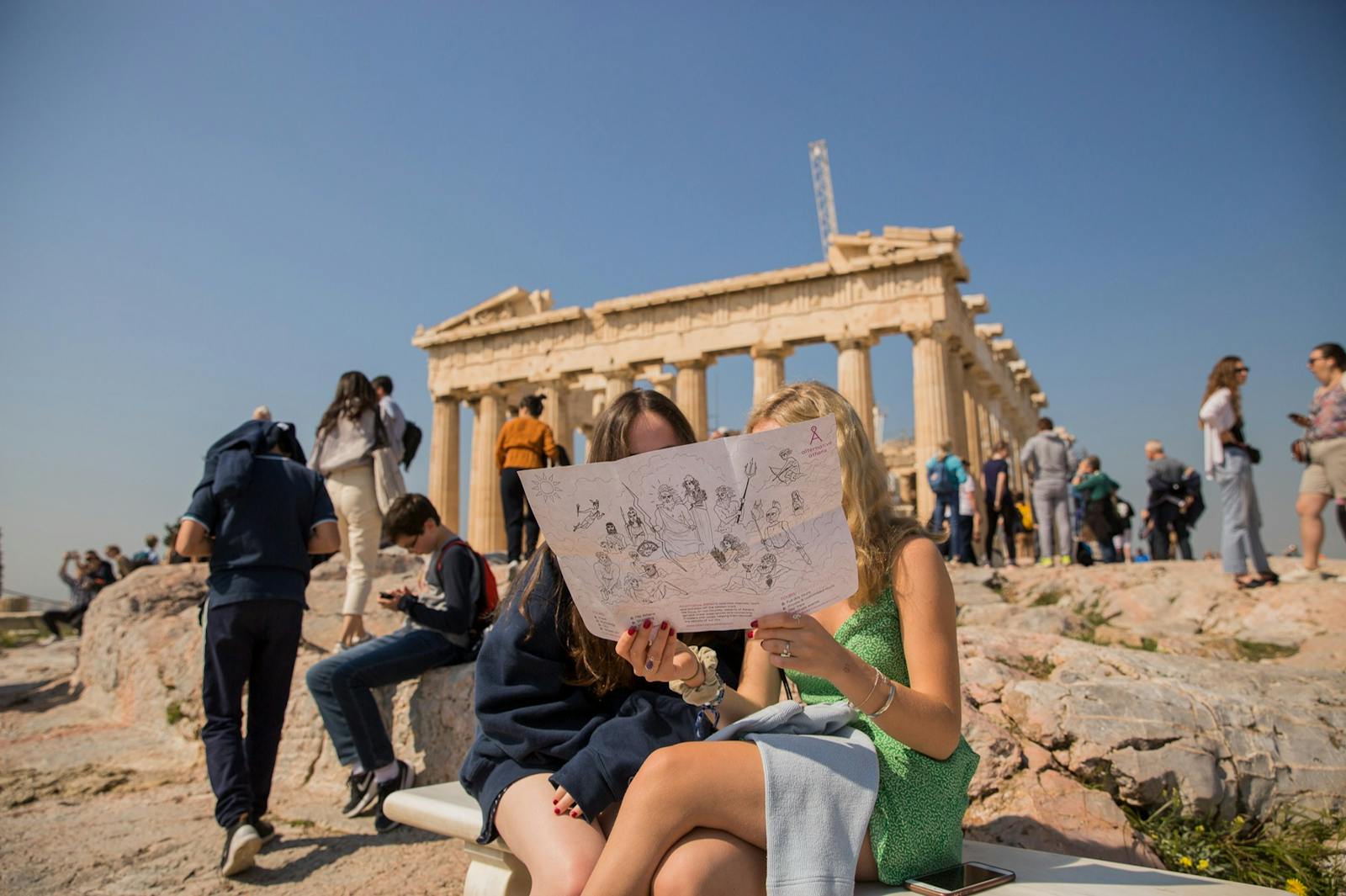
Acropolis: Young Heroes - A Family Friendly Mythology Tour
From 65 €.
Learn about gods and heroes at the Acropolis.

Acropolis: Guided Tour Only + Roundtrip from Piraeus
From 89 €.
A worry-free shore excursion that covers the top attractions in Athens.
What visitors say
Thousands of visitors have already booked their visit: reviews and testimonials
★ 4.4/5 · 12 reviews collected directly from visitors and moderated by Visit Tickets
"We arrived right at opening time, which let us avoid the crowds and enjoy the golden light on the Parthenon. The path across the slippery marble requires sturdy shoes, but the view from the Odeon of Herodes Atticus is worth every bit of effort. A moment of pure emotion in the face of history."
"The combined ticket for €30 is a real plus if you also plan to visit the Agora. Just be aware that there’s no water on the plateau, so bring a bottle! Lines can get long if you don’t have a pre-purchased ticket. The experience remains magical despite the crushing heat."
"As a senior, the uneven terrain posed some challenges, but the multilingual audio guides were perfect for understanding the history of the Caryatids. We took our time to appreciate the details of the Erechtheion. It was an enriching and accessible visit if you take the time to breathe."
"We visited in mid-August, and the heat was intense. Luckily, the Temple of Athena Nike offers a superb vantage point and is less crowded than the center. The dusty, slippery ground requires caution. Consider buying your ticket online to avoid endless queues."
"The French-language guided tour was instrumental in helping us understand the significance of the Parthenon. The guide did a great job bringing the myths associated with Athena to life. We were blown away by the panoramic view of the modern city from the top of the plateau—a striking contrast between antiquity and today."
"The entrance through the Propylaea is impressive, but the path can be slow during peak season. We opted for the priority access pass, which saved us precious time. The marble is very worn, so walk carefully. The quality of the site is well worth the ticket price, even if it’s not cheap."
"An unforgettable experience for our family. The kids loved the Odeon of Herodes Atticus, imagining the ancient performances there. The ground is slippery, and we had a few slips, but the joy of discovering the Parthenon washed away the minor difficulties. Don’t forget hydration—it’s essential in 35-degree weather."
"I visited solo, enjoying the freedom offered by the audio guide. I spent a lot of time in front of the Erechtheion and its female columns. The late-day light turns the Pentelic marble into gold. It’s a site to be visited with respect and wonder, far from the usual tourist clichés."
"It’s crowded between 10 AM and 12 PM, which makes navigating the slippery marble a bit laborious. We bought the combined ticket, which simplified our day. The view from the south is spectacular, even better than the photos. Wear good shoes; the terrain is truly uneven and worn by time."
"The Parthenon exceeds all expectations. The fact that the plateau was expanded from 85 to 150 meters in the 5th century is a fascinating detail the guide explained. Priority access was smooth. The sensation of touching history through these millennia-old stones is indescribable. An absolute must-see for any lover of Greek civilization."
"We arrived late in the afternoon, when the light was soft and the crowds thinner. The Temple of Athena Nike overlooking the cliff is a magnificent photo spot. Watch out for the stairs; the marble is very slippery even in the shade. The ticket price is reasonable if you include the museum, which nicely complements the archaeological site visit."
"The guided tour was the key element of our stay. The guide detailed the Persian intrusion from the east, a little-known fact. We were able to appreciate the Parthenon without the rush of audio guides. The contrast between the white stone and the blue sky is striking. Careful preparation with suitable shoes and water made the visit comfortable."
Practical info
Everything you need to plan your visit
Address
10558 Athens, Greece
Central Athens · Metro: Acropolis (Lines 2 and 3, main exit) or Syntagma (15 min walk via Plaka).
Opening Hours
Hours vary by season. Opens at 8:00 AM in summer, closes earlier in winter. Check for exceptional closure dates.
Prices
Acropolis of Athens: Guided Tour Only : From 43 €
Athens: Acropolis Entry Ticket + 1 Archaeological Site : From 65,60 €
Acropolis of Athens & Acropolis Museum: Guided Tour : From 109 €
Acropolis of Athens & Acropolis Museum: Guided Tour Only : From 56 €
Acropolis of Athens: Guided Tour + Skip The Line Ticket : From 72 €
Acropolis of Athens & Acropolis Museum: Guided Tour : From 109 €
Acropolis of Athens & Acropolis Museum: Guided Walking Tour : From 51 €
Acropolis: Young Heroes - A Family Friendly Mythology Tour : From 65 €
Acropolis: Guided Tour Only + Roundtrip from Piraeus : From 89 €
Show more ▾
Children free depending on age (check variants). .
Visit Duration
Photos
Audience
Accessibility
PMR
Access possible via specific elevator and adapted route, but assistance recommended.
Family
Physically demanding site, not recommended for toddlers without strollers suitable for the terrain.
Audio guide
French, English, Spanish
Weather in Athens
Current conditions and forecast to plan your visit
Discover Acropolis of Athens
The Acropolis of Athens: Eternal Symbol
A UNESCO World Heritage Site since 1987.
156 m
Plateau altitude
3 ha
Site area
1987
UNESCO Listing
5
Main Monuments
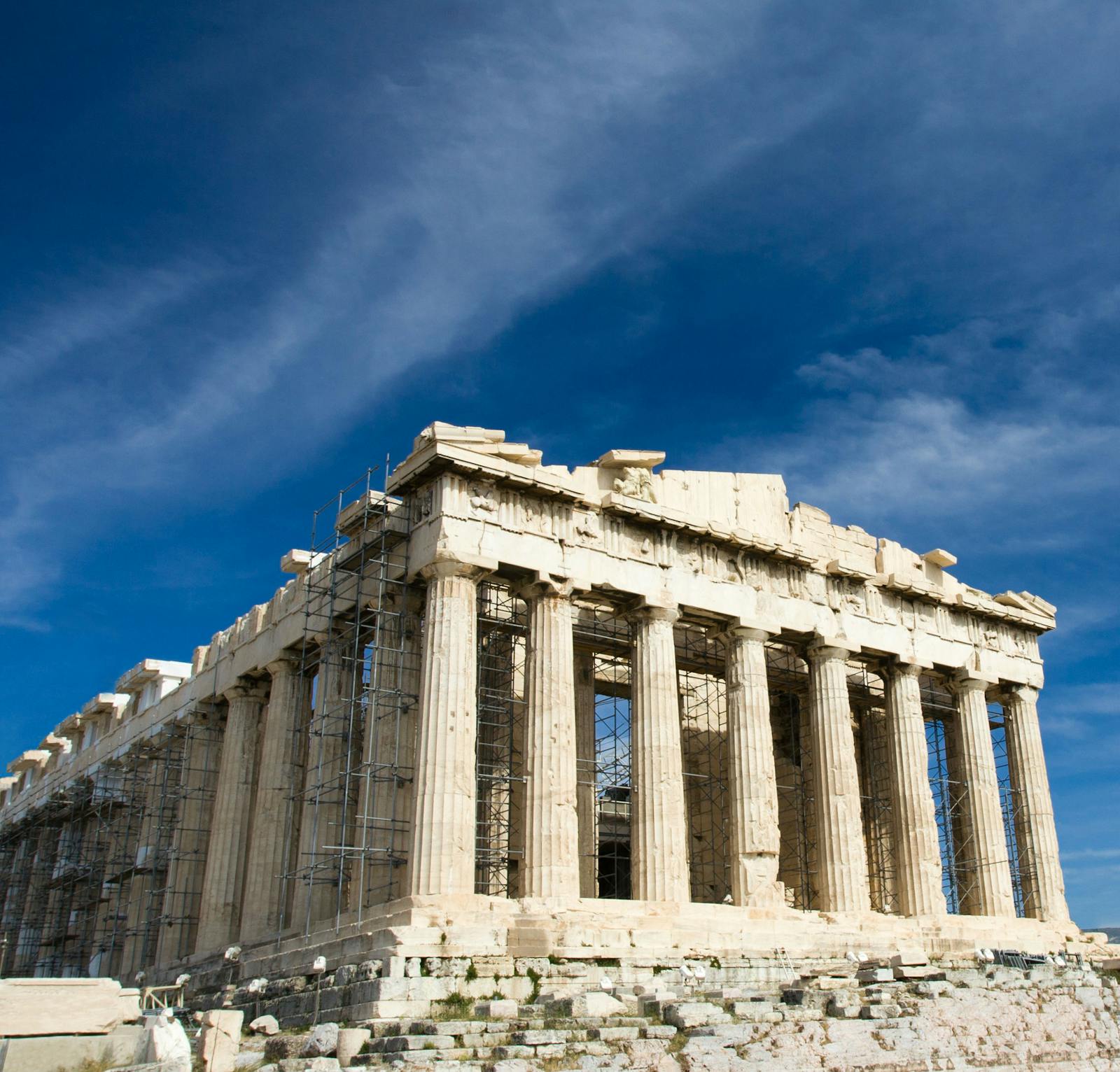
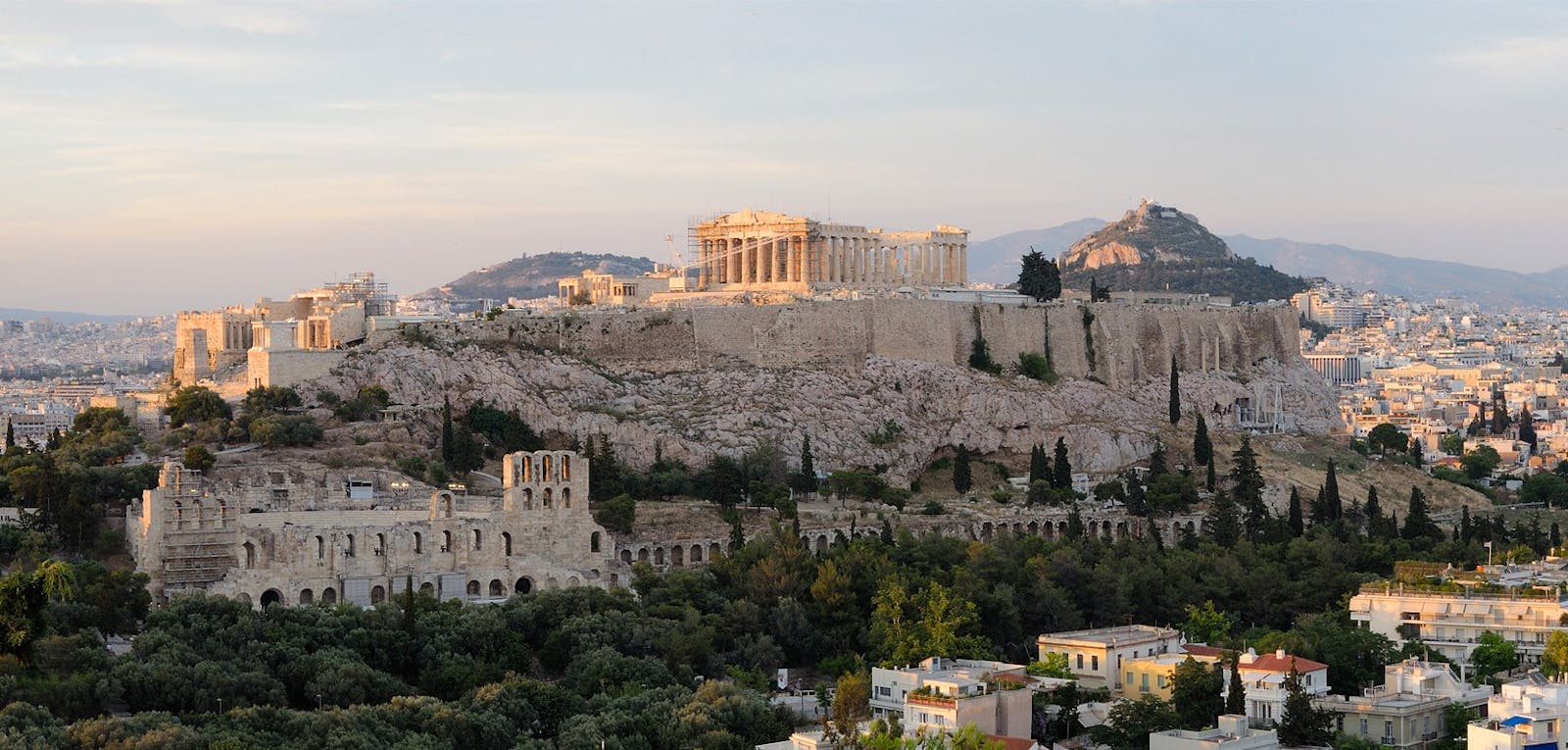
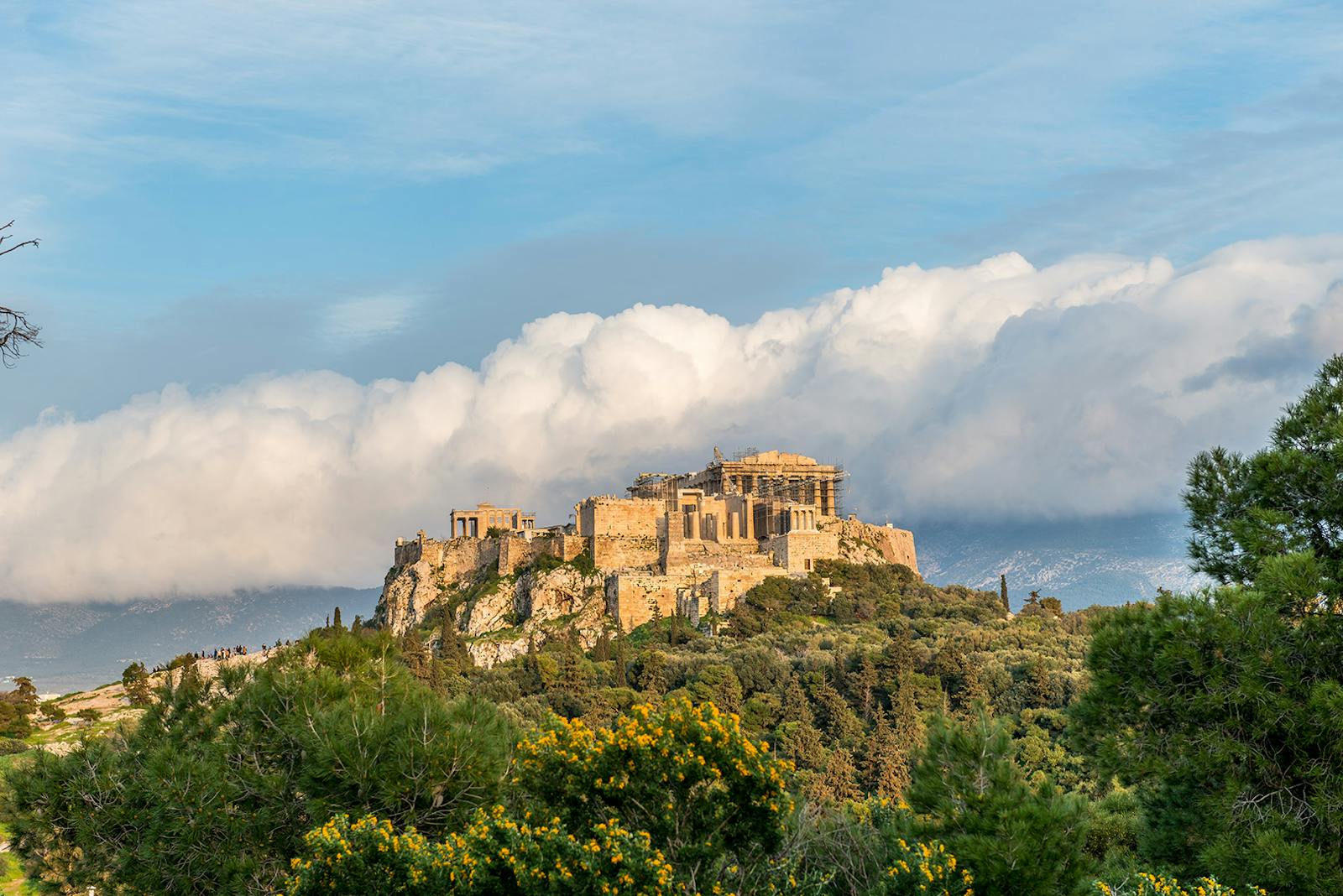
The Acropolis of Athens is much more than an open-air museum; it is a living citadel where limestone tells the story of the birth of democracy. This plateau at 156 meters altitude houses major monuments such as the Parthenon and the Erechtheion. Its physically demanding access rewards visitors with breathtaking views of the modern metropolis and total immersion in ancient history.
History of the Acropolis
The term 'acropolis' literally means 'high city', defining this rocky plateau that has served as a fortress and sanctuary since Antiquity. Listed as a UNESCO World Heritage Site since 1987, this 3-hectare site is the beating heart of Greek history. It testifies to the power of Athens in the 5th century BC, a period when works expanded the natural plateau from 85 to 150 meters to accommodate new temples.
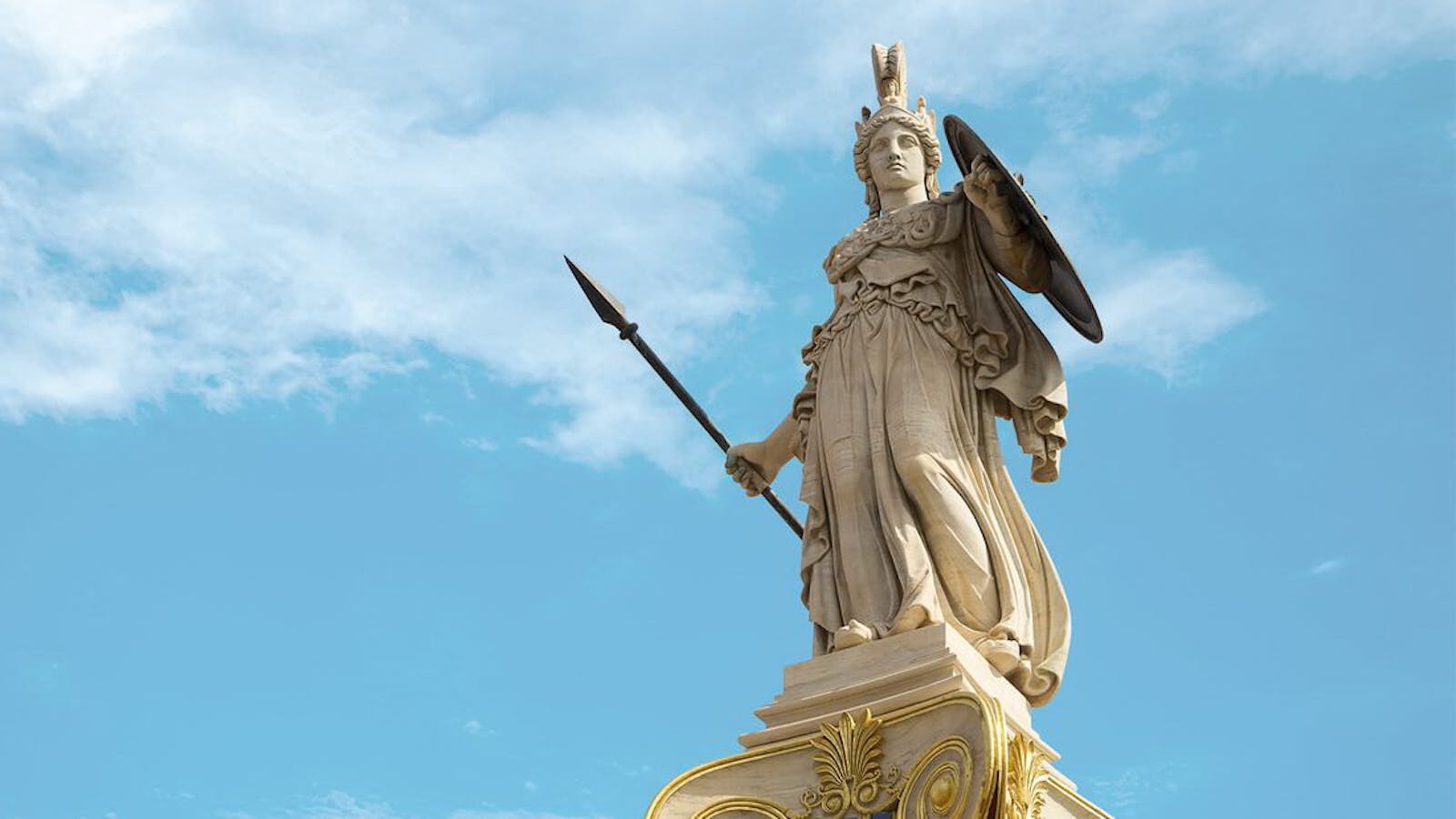
Contrary to popular belief, the Perses conquered the Acropolis in 480 BC from the east, deemed too steep to be monitored, not from the west. This intrusion led to the destruction of the first buildings, followed by an ambitious reconstruction under Pericles. The sculptor Phidias created the famous statue of Athena there, although the historical center of the sanctuary remains the primitive wooden olive tree statue, the xoanon.
At the heart of the sanctuary stood this wooden statue of Athena Polias, washed and adorned every year, long before the marble statues. This tradition highlights the deep religious dimension of the site, beyond its political aspect. The Acropolis thus remained an active place of worship, blending mythology and civic power, until the Ottoman era.
What to see on the Acropolis
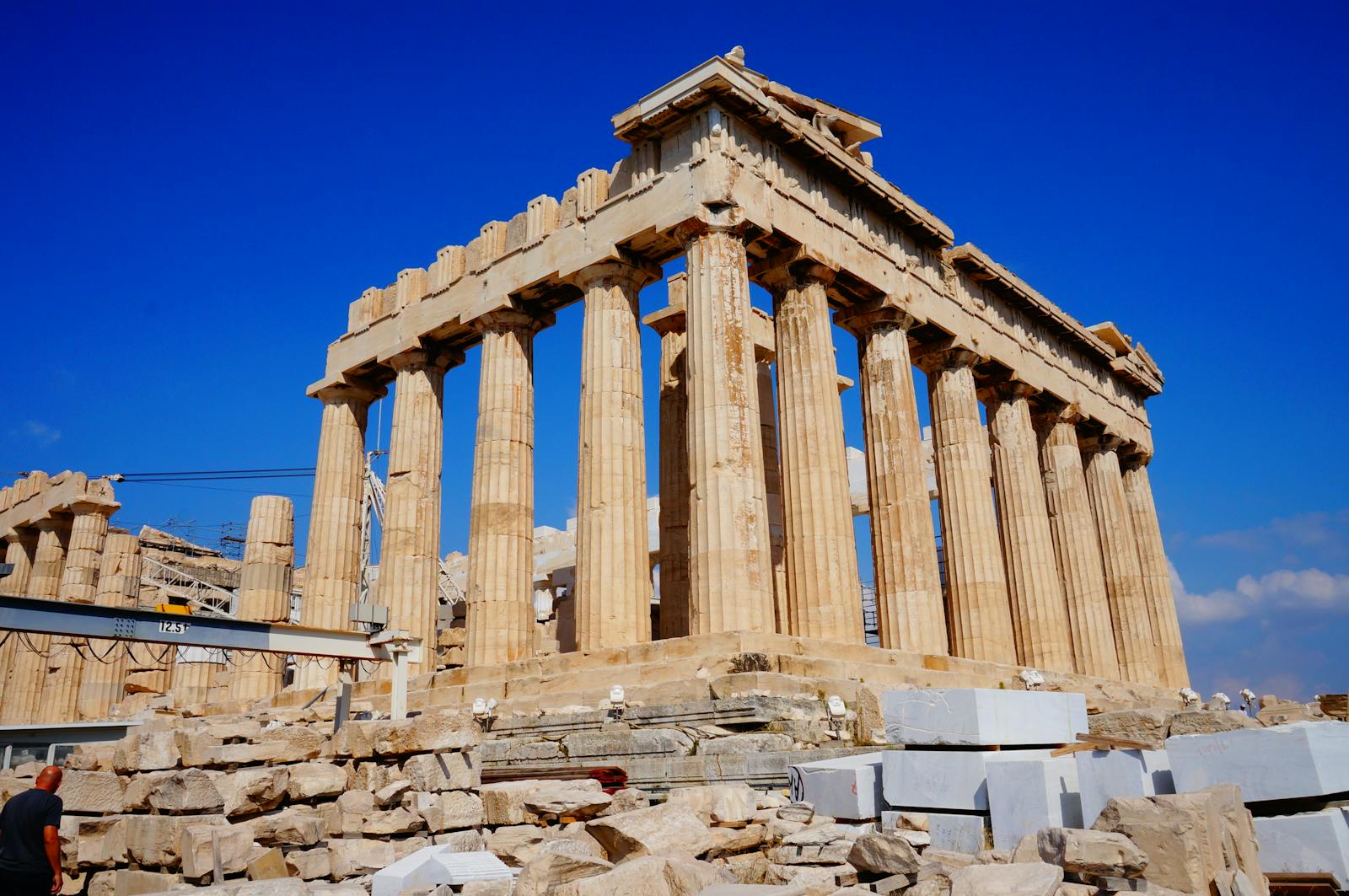
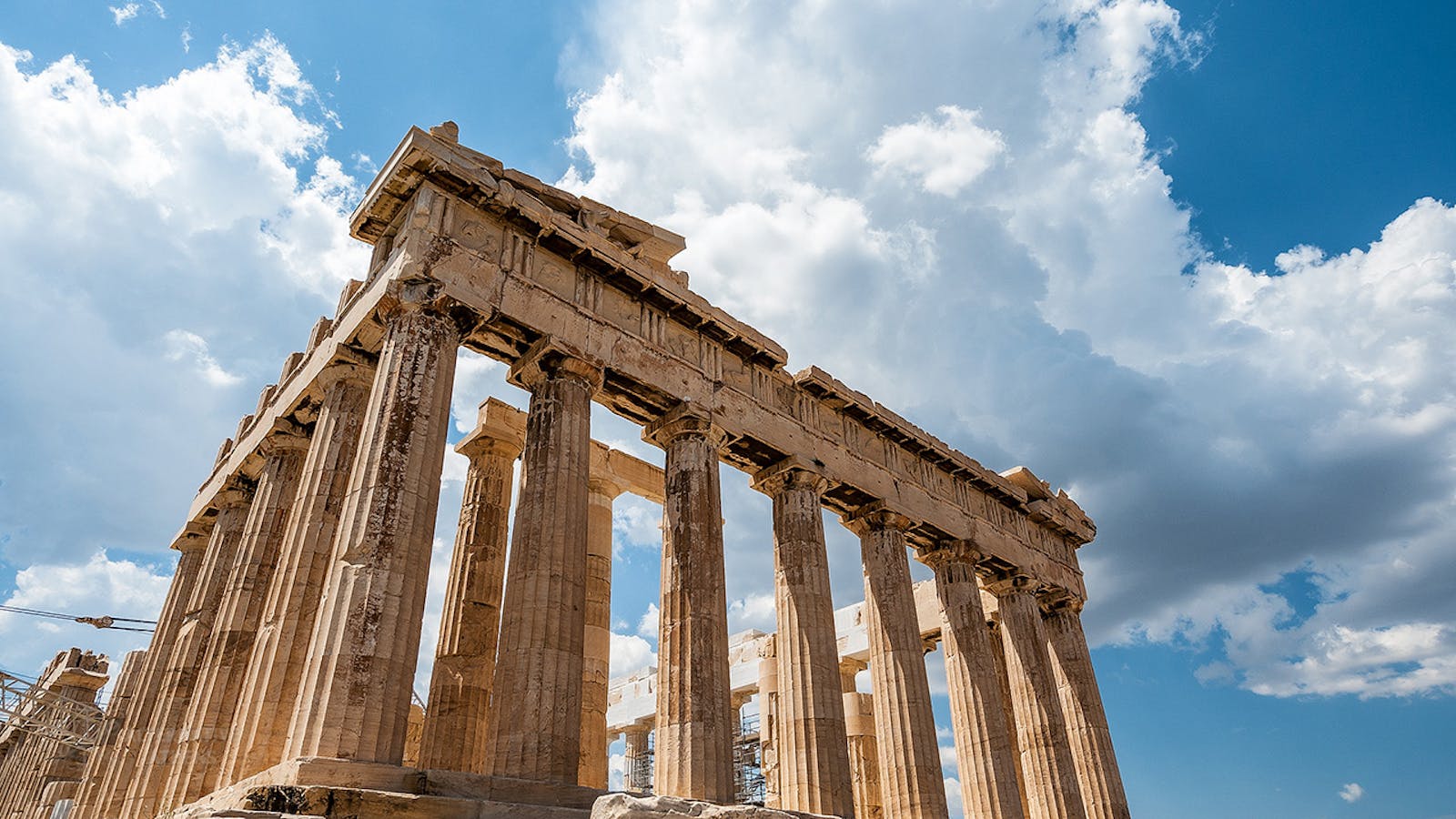
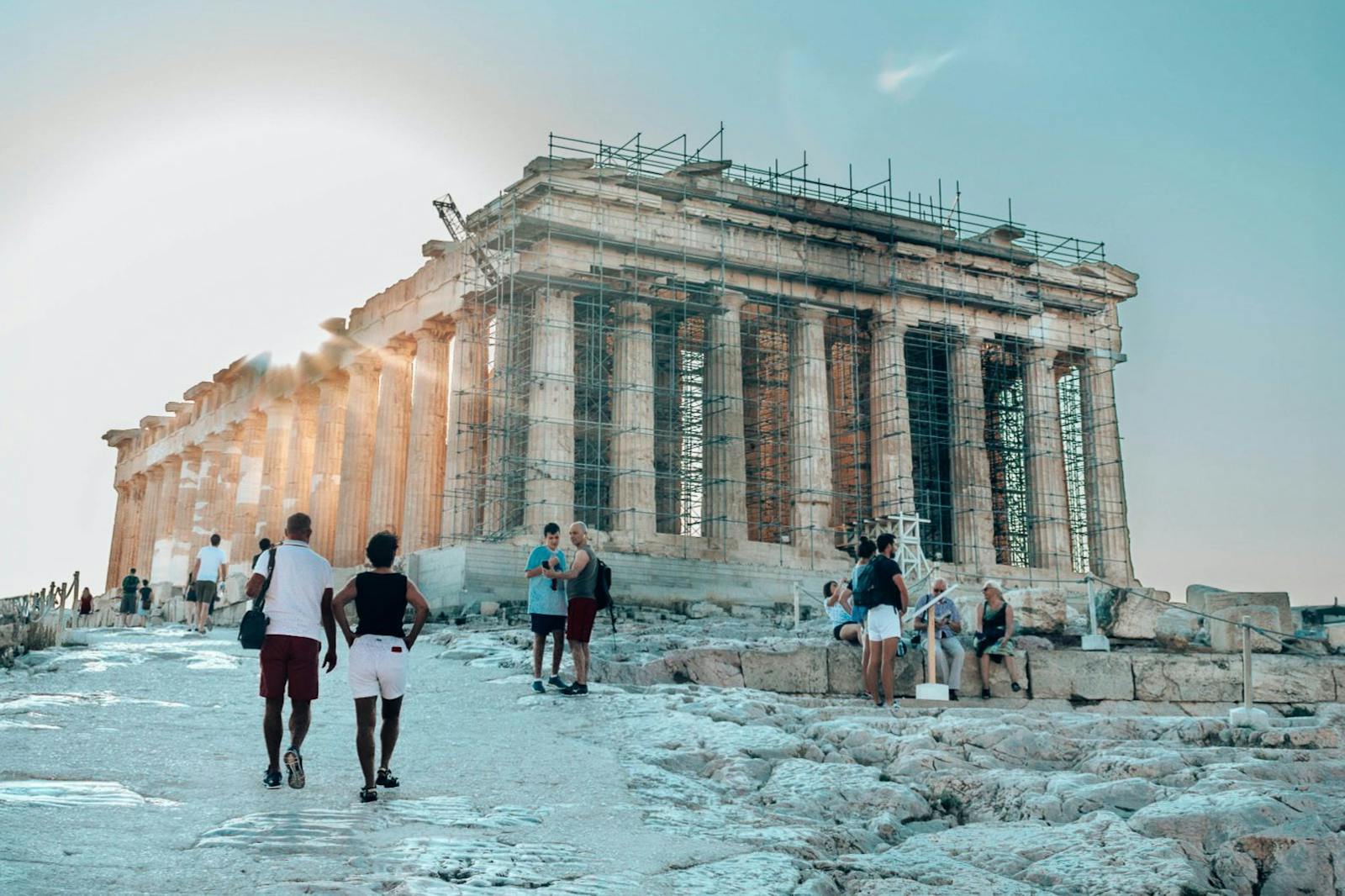
The main access is from the west via the Propylaea, the monumental entrance designed by Mnesicles. These imposing gates lead directly to the Parthenon, the temple dedicated to Athena Parthenos, adorned with sculptures by Phidias. Next to it, the Temple of Athena Nike, without a cella, celebrates victory and offers a unique perspective on the port of Piraeus. These five main monuments constitute the essence of the visit.
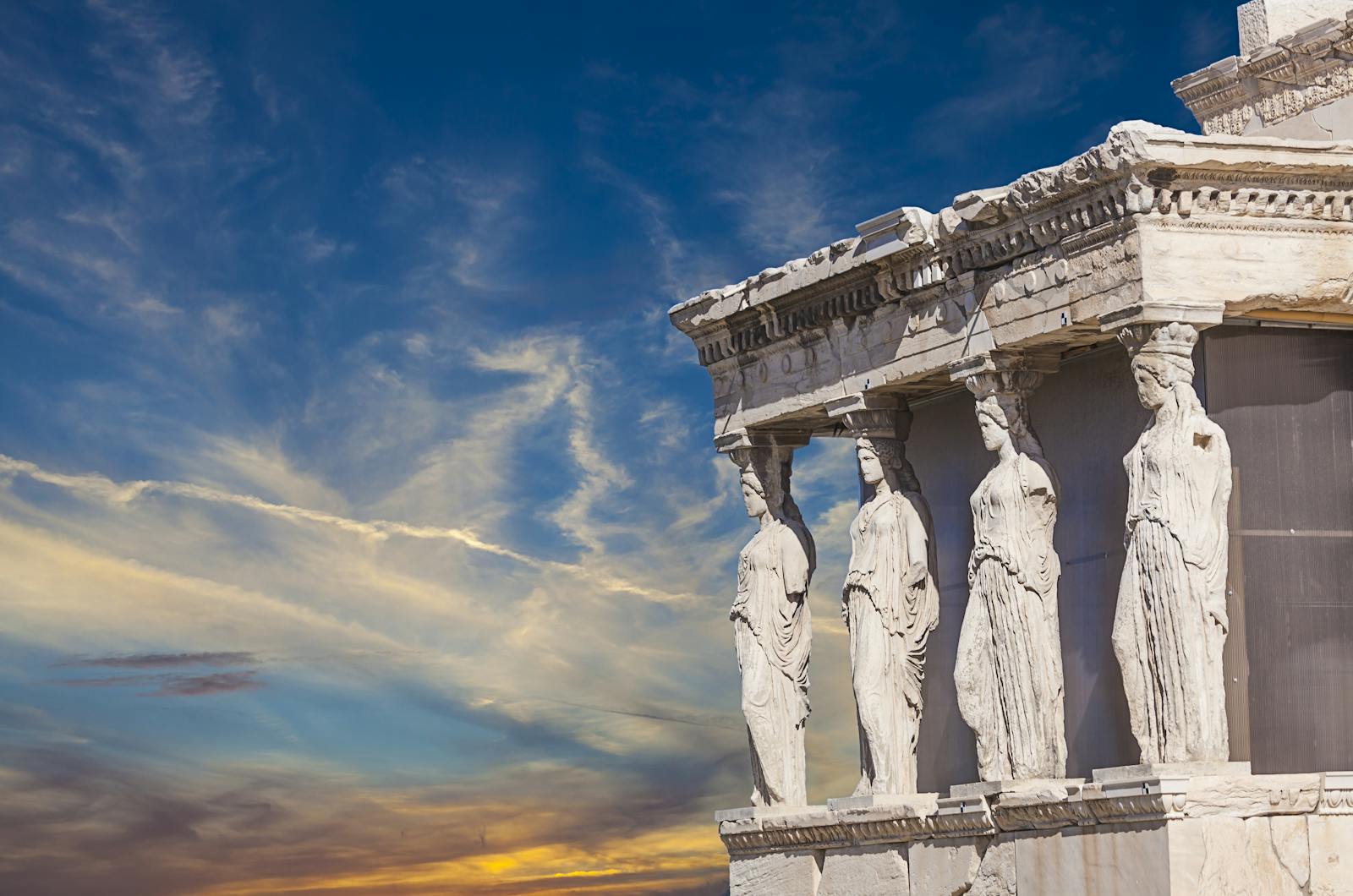
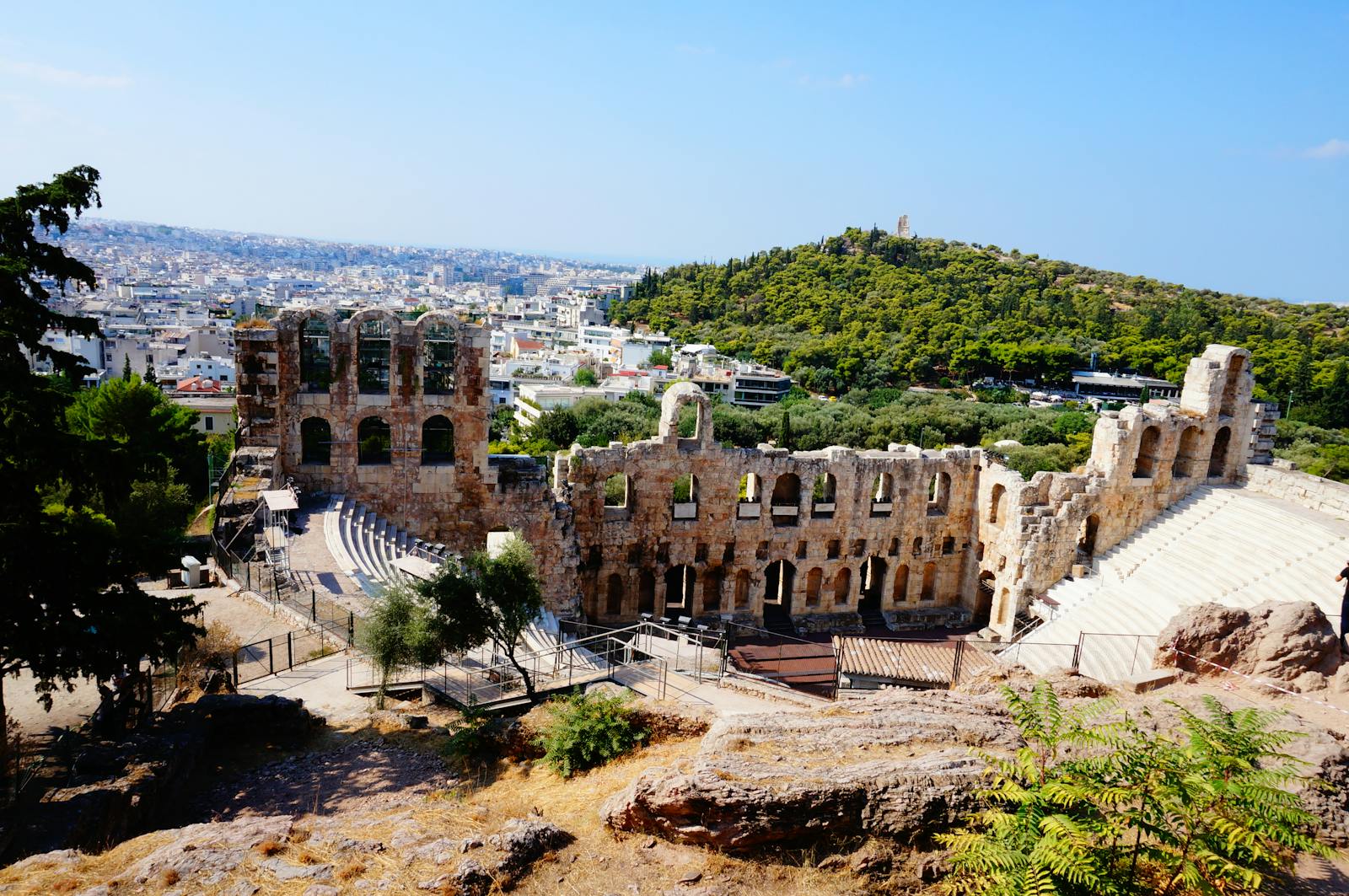
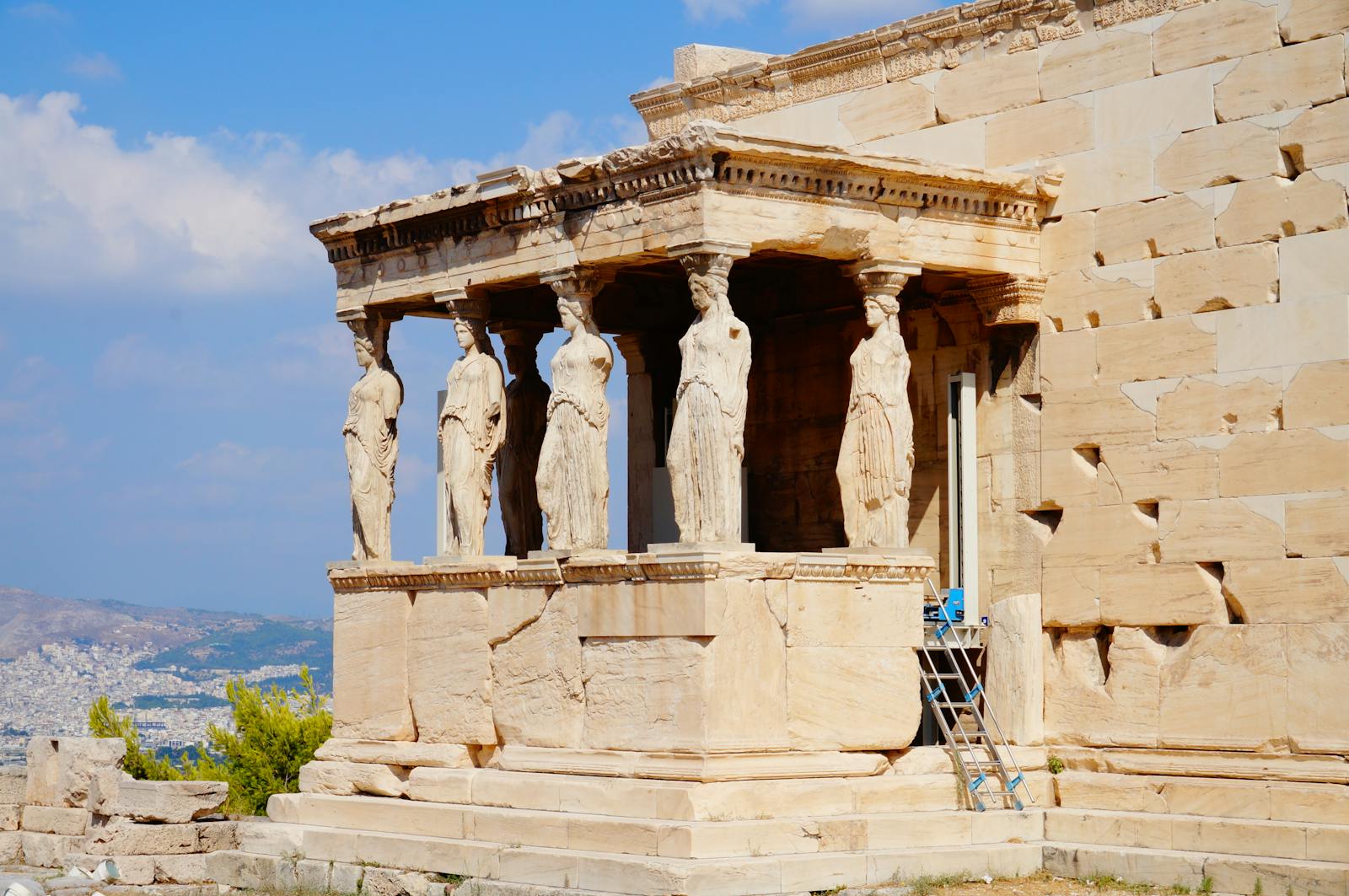
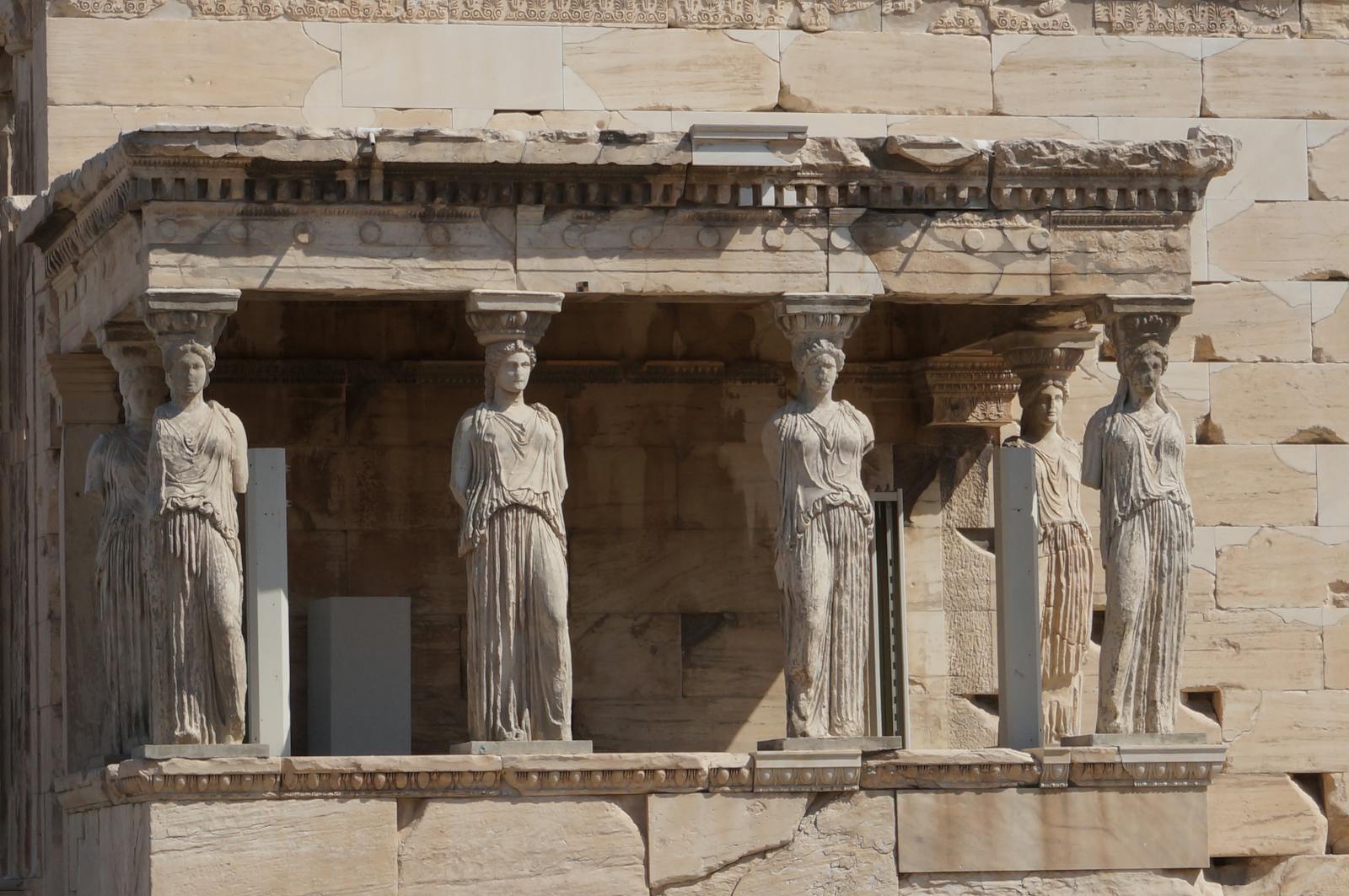
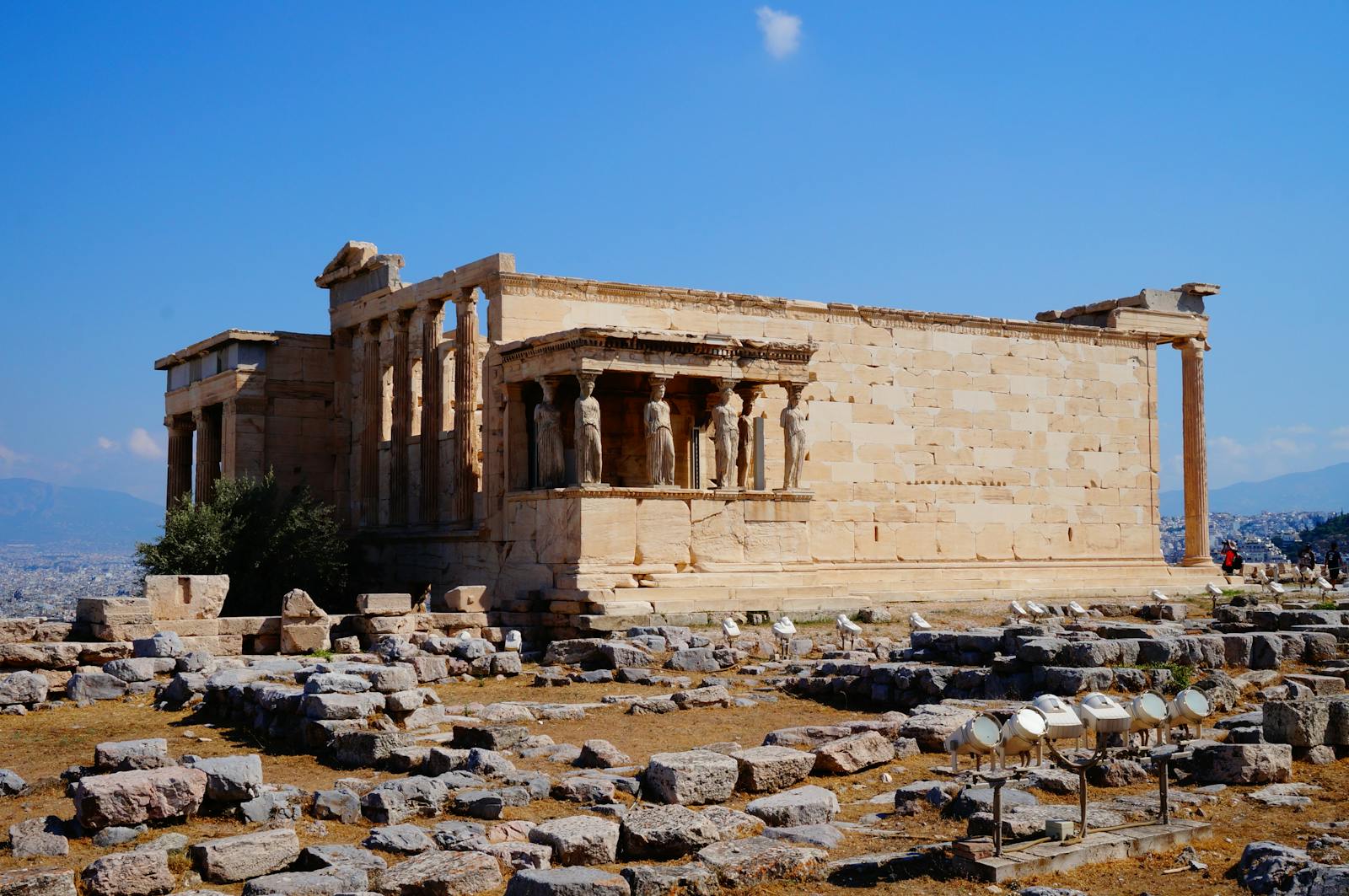
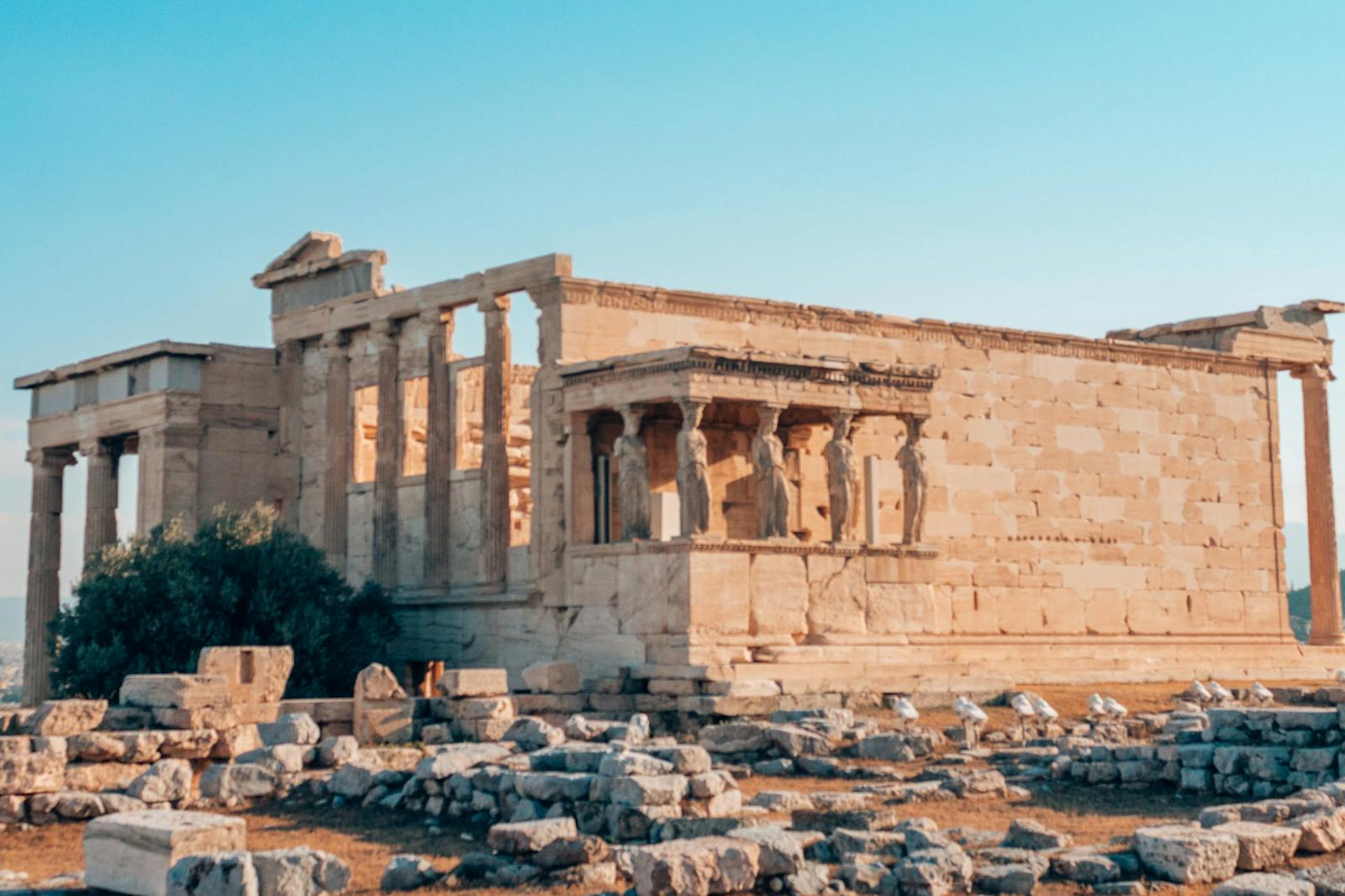
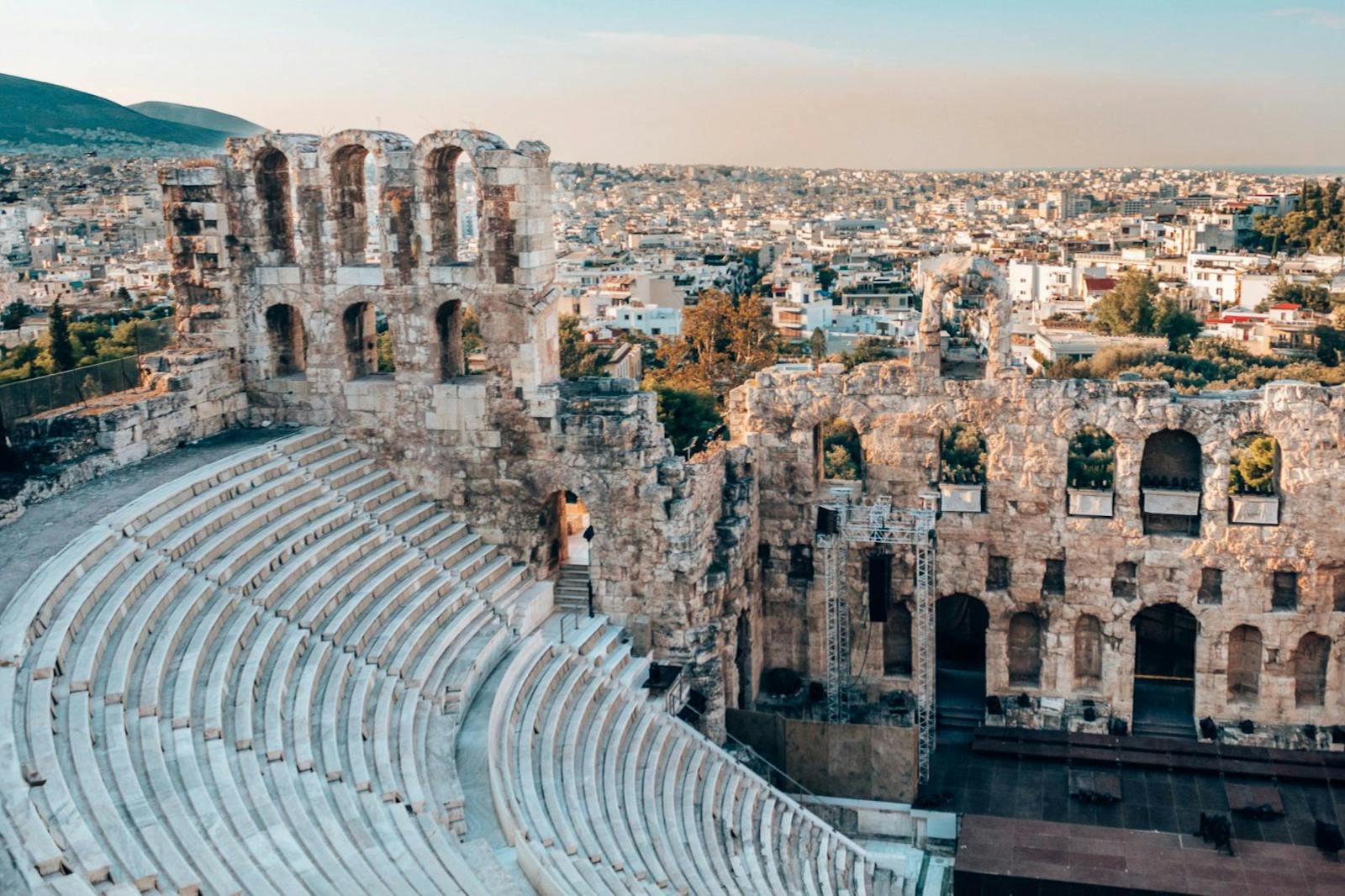
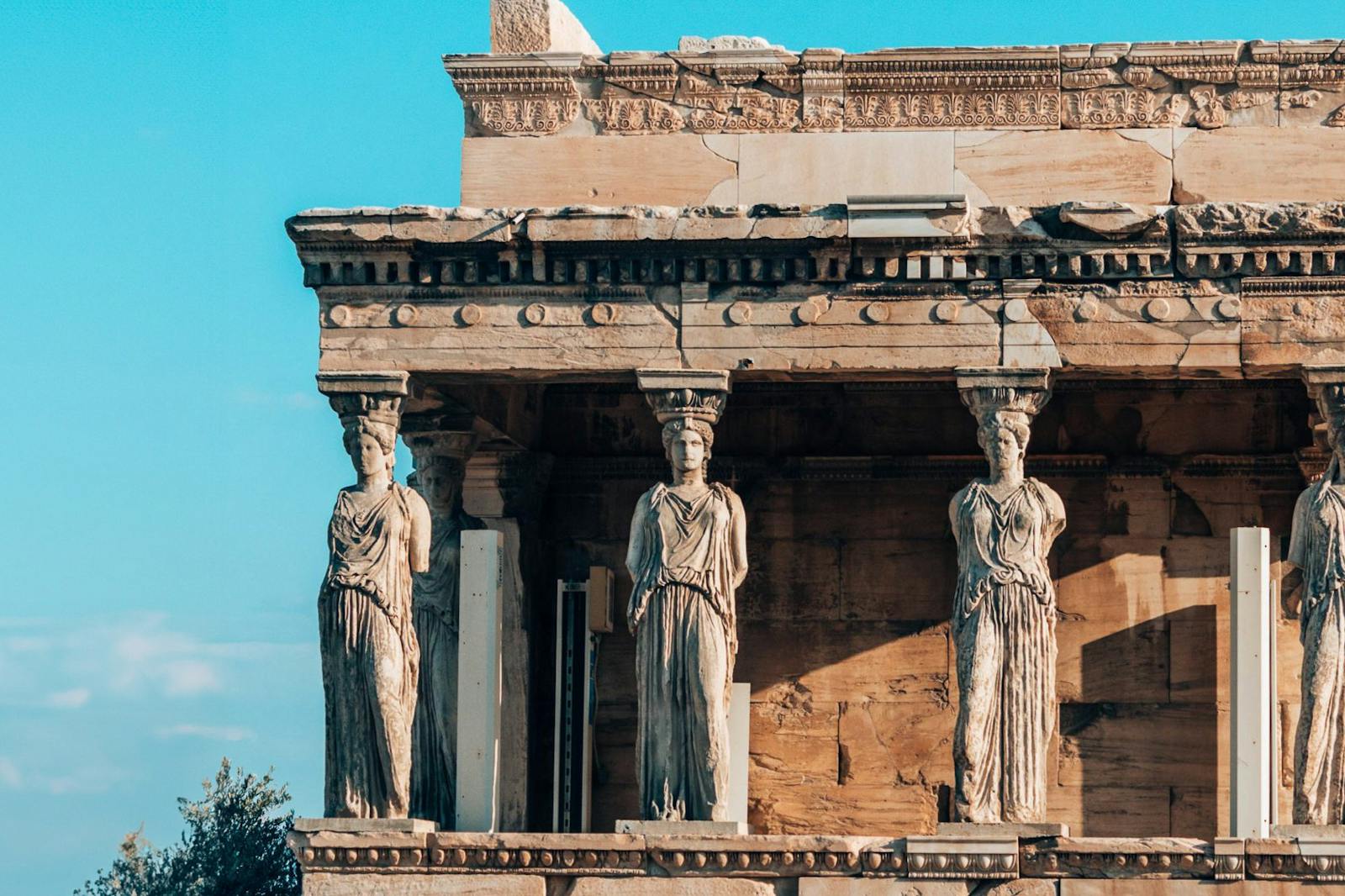
The Erechtheion houses the famous porch of the Caryatids, six female statues called Pleiades that support the structure. These human columns blend architecture and mythology with fragile elegance. The site also includes the Odeon of Herodes Atticus, restored and still used for summer performances, linking Antiquity to contemporary Athenian culture. Every stone tells a story of resilience.
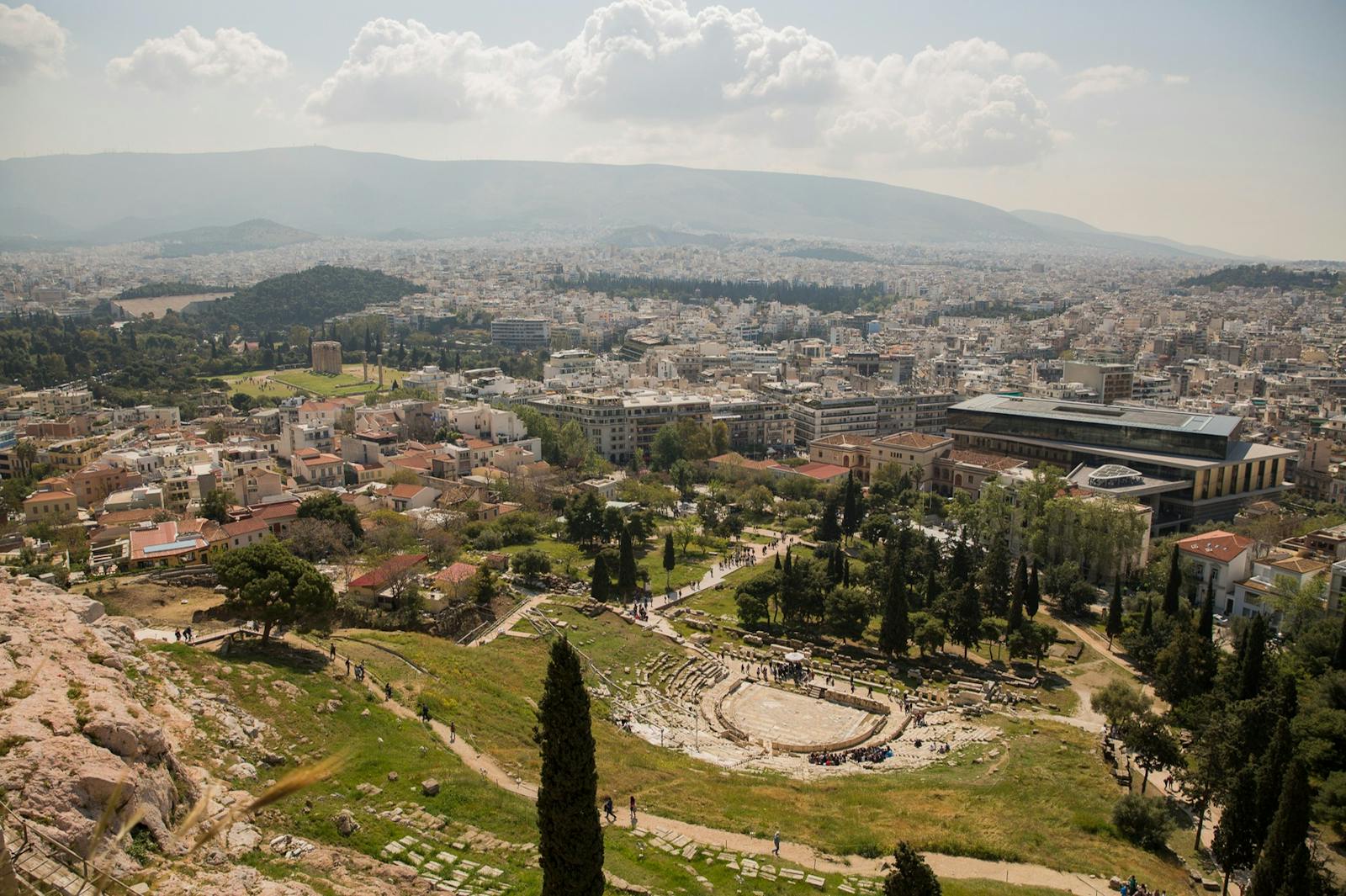
At the foot of the Acropolis, the Theatre of Dionysus is the cradle of Western theatre where Euripides and Sophocles created their works. This birthplace of tragedy completes the cultural experience of the site. Although distinct, it is intimately linked to the religious and civic life of the city. Not visiting it would mean missing an essential part of the historical context of the Acropolis.
Practical tips and itineraries
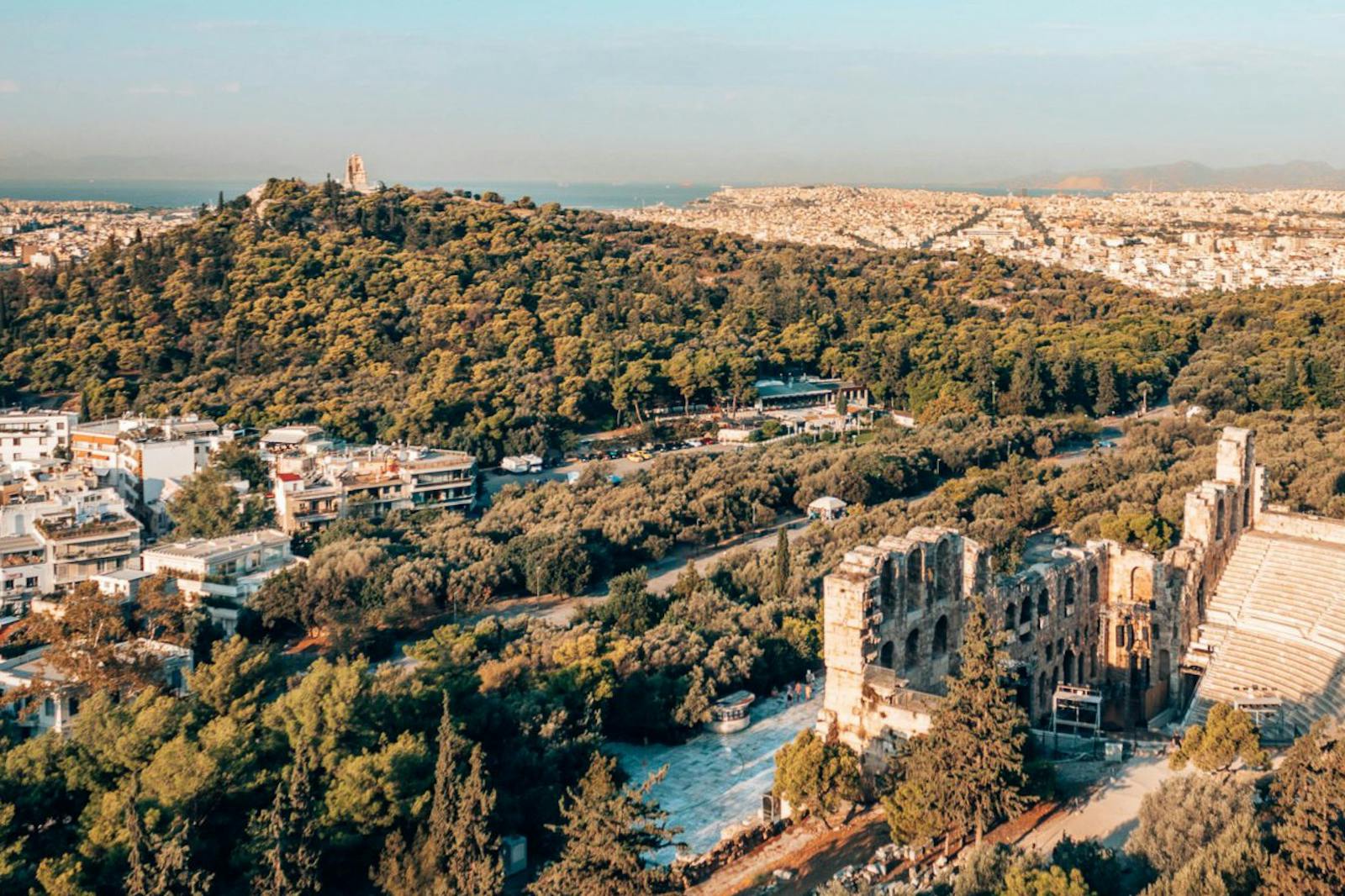
To avoid queues and stifling heat, arrive at opening time or in the late afternoon. The marble floor becomes very slippery under heat or with dust, so wear walking shoes with good grip. The recommended route starts with the Propylaea, then the Parthenon, the Erechtheion, and ends with the Odeon for the panoramic view of Lycabettus Hill.
The multi-site combined ticket is the best economic option, including the Agora of Athens, the Roman Forum, and other archaeological sites. It costs around €30 and allows you to visit several places in one day. The Agora, distinct from the Acropolis, is the place of political democracy, while the Acropolis is the place of religious worship. Confusing the two is a common mistake to avoid.
Access by metro is via line 2 or 3, stop 'Acropolis' or 'Syntagma'. From Syntagma, walking through the Plaka district is pleasant and offers urban context before the climb. Driving is strongly discouraged due to traffic and lack of parking. Prefer public transport for a calmer and more eco-friendly experience.
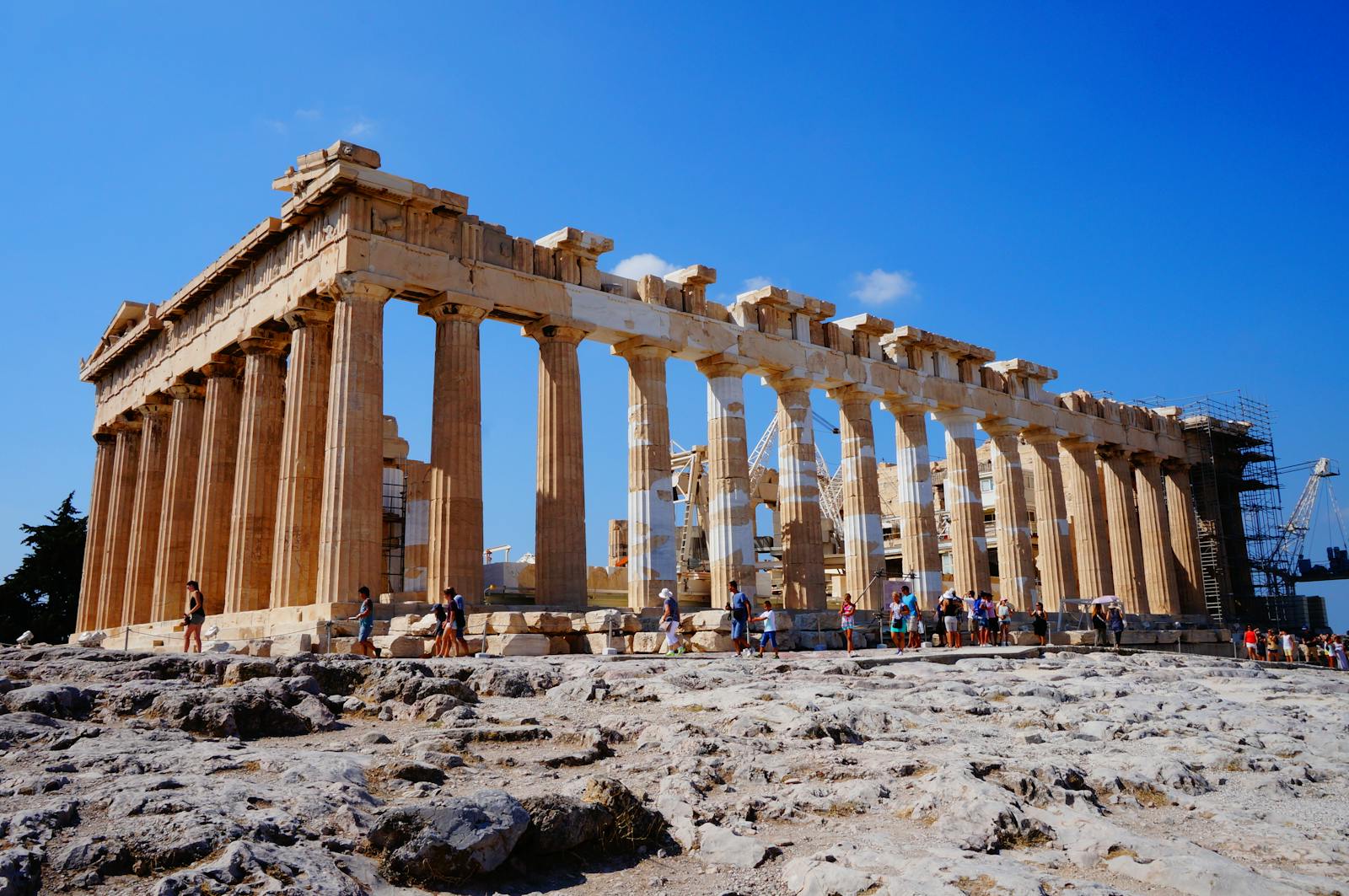
Monuments of the Citadel
5 masterpieces of Ancient Greece
Tips for visiting the Acropolis of Athens
Insider tips
Arrive at opening time
The first hours are the coolest and least crowded. You will enjoy golden light ideal for photos of the Parthenon without the midday tourist crowds. Arrive right at opening, often at 8am, for a serene experience.
Hydration is mandatory
No drinking water points are available on the plateau. Bring a water bottle, but beware: bags must sometimes be deposited in lockers. Plan for a small pouch for your water to comply with strict security rules.
The view from the Odeon
Do not miss the panoramic view of Athens from the Odeon of Herodes Atticus. This spot is often less crowded than the Parthenon and offers a magnificent setting to immortalize your visit with the city in the background.
Watch out for slippery marble
The marble becomes very slippery under heat or with dust. Walk slowly, especially on the slopes of the Propylaea. Wear walking shoes with good grip to avoid dangerous falls.
Multi-site combined ticket
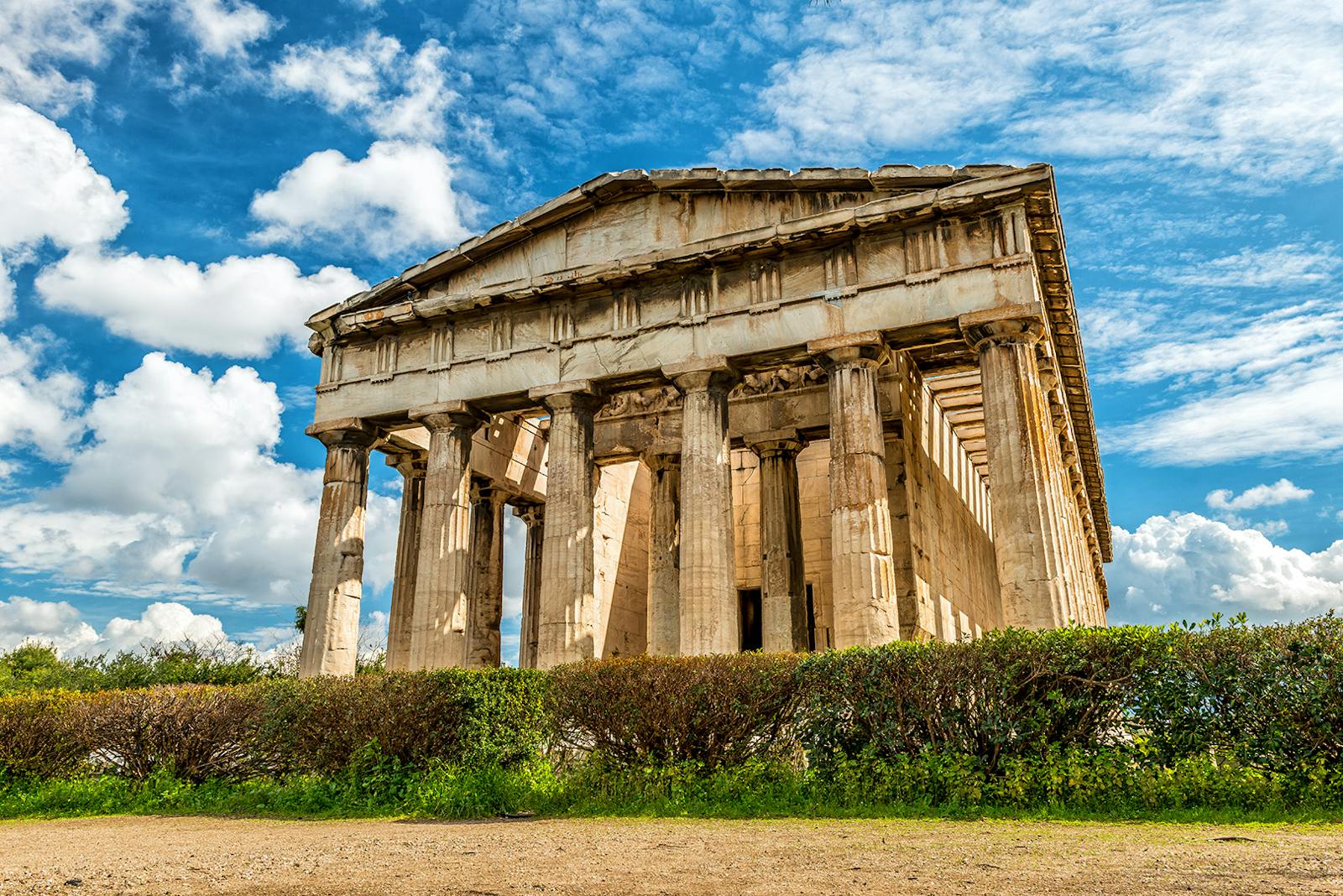
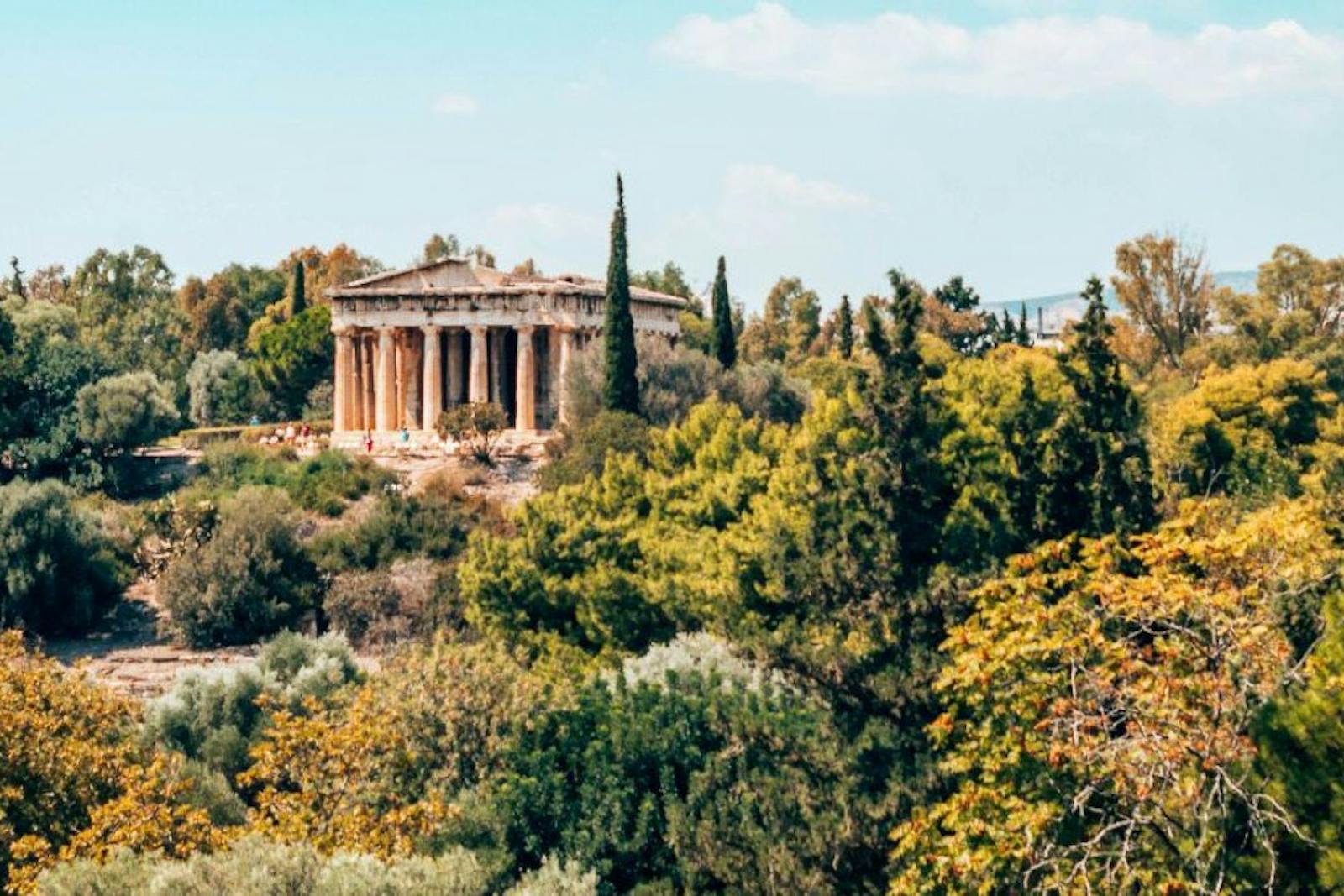
Opt for the combined ticket (approx. €30) which includes the Agora, the Temple of Hephaestus, and the Kerameikos Museum. This option is more cost-effective than the single ticket and allows you to visit several major sites.
Entrance from the west
The main entrance is via the Propylaea (west). Avoid looking for secret side entrances, as they are often closed or dangerous. Follow the official flow for a secure and smooth visit.
Sun protection
No natural shade exists on the plateau. Hats, sunglasses, and sunscreen are essential, even in shoulder season. The heat can be intense and sunburns quick, so protect yourself from the start of your visit.
Acropolis vs Syntagma Metro
The 'Acropolis' stop is closer, but the 'Syntagma' stop offers a more pleasant walk through the Plaka neighborhood before the climb. Choose based on whether you want to discover the historic alleys or save time.
Ready to book?
Choose your tickets online and check their conditions before booking.
Book my ticketsDid you know?
Little-known anecdotes
The Persian intrusion from the east
Contrary to popular belief, the Persians conquered the Acropolis in 480 BC from the eastern side. This flank was reputed to be too steep to monitor, offering an unexpected strategic flaw to invaders during the Second Persian War.
The primitive wooden statue
At the heart of the sanctuary stood a statue of Athena Polias made of olive wood (xoanon). Unarmed, it was washed and adorned every year during the Panathenaia, long before the era of imposing marble statues sculpted by Phidias.
The Caryatids of the Erechtheion
The female columns of the Erechtheion, called Caryatids, support the structure of the south porch. These 6 statues blend architecture and mythology, representing young girls from Carya, a village defeated by the Athenians.
The widening of the plateau
Works in the 5th century BC expanded the natural surface from 85 meters to nearly 150 meters wide. This massive modification allowed for the accommodation of new monumental temples.
The origin of the name
The term 'acropolis' literally means 'high city'. This name reflects its initial role as a defensive citadel and religious sanctuary dominating the metropolis of Athens from the limestone plateau at 156 meters altitude.
Queen Ariadne's hidden treasure
During the transformation of the Acropolis into an Ottoman fortress in the 16th century, the Turks discovered a secret cavity in the rocks. According to chronicles of the time, this cave housed the legendary treasure of Queen Ariadne, left there after her marriage to Dionysus. Although the exact contents are debated among historians, this anecdote illustrates the persistence of ancient myths in the collective imagination, even when the site served as a military refuge and mosque under Ottoman occupation, far from its initial role as a sanctuary dedicated to Athena.
Include the Acropolis of Athens in your trip to Athens
Three itineraries based on available time
The Essence of Antiquity
- Morning: Visit the Acropolis (Parthenon, Erechtheion)
- Noon: Traditional lunch in the historic Plaka district
- Afternoon: Acropolis Museum (just opposite)
- End of day: Stroll through the streets of Plaka
Classic Athens
- Morning: Guided tour of the Acropolis and the Acropolis Museum
- Noon: Lunch in Monastiraki to savor local Greek cuisine.
- Afternoon: Agora of Athens and Temple of Hephaestus
- Evening: Climb Lycabettus Hill for sunset
- Night: Dinner in a traditional taverna in Koukaki
Deep Discovery
- Day 1: Acropolis, Museum, Plaka. Start with the Parthenon, then explore the streets of Plaka.
- Day 2: Agora, Roman Forum, Byzantine Museum
- Day 3: Psyrri District, Lycabettus Hill, Evening in Koukaki
- Optional: Visit the National Archaeological Museum
- Evening: Concert at the Odeon of Herodes Atticus if in season
The Athens Mythology Pass

Make the most of your stay in Athens by booking your spot at the Acropolis and accessing five top archaeological sites, includi…
From 95 €
See also
More must-see experiences in Athens
Interactive map
Find the attraction and nearby places to visit
Near Acropolis of Athens
Make time to explore the surrounding area
Acropolis Museum
3 min walk
Houses the original sculptures of the Parthenon and the Caryatids, essential for understanding the historical context of the ruins.
Ancient Agora of Athens
10 min walk
The heart of ancient democracy, including the Temple of Hephaestus, often included in the combined ticket for a complete visit.
Taverna Plaka
5 min walk
The picturesque traditional neighborhood of Plaka, offering a multitude of taverns to enjoy a moussaka after the physical exertion of the visit.
Lycabettus Hill
20 min walk
Athens' highest point, Lycabettus Hill, offering the most spectacular night panorama of the city and the illuminated Acropolis in the distance.
Theatre of Dionysus
2 min walk
The cradle of Western theatre, the Theatre of Dionysus located at the southern foot of the Acropolis, the birthplace of tragedy with Euripides and Sophocles.
Acropolis Metro Stop
5 min walk
Acropoli metro station (Lines 2 and 3) offers the most direct access to the site, with a short walk to the main entrance.
How to get to the Acropolis of Athens
Estimated travel times from the main points in the city
Metro : Makrygianni/Dionysiou Areopagitou (5 min walk) Bus : AG. FOTINI (10 min walk)
- From Tauros 2,8 km → 13 min
- From Rentis 5,1 km → 18 min
- From Perissos 7,0 km → 23 min
- From Pyrgos Vasilissis 7,6 km → 24 min
- From Piraeus 7,6 km → 24 min
- From Tauros 2,8 km → 19 min
- From Rentis 5,1 km → 29 min
- From Perissos 7,0 km → 36 min
- From Pyrgos Vasilissis 7,6 km → 38 min
- From Piraeus 7,6 km → 38 min
- From Tauros 2,8 km → 12 min
- From Rentis 5,1 km → 20 min
- From Perissos 7,0 km → 26 min
- From Pyrgos Vasilissis 7,6 km → 28 min
- From Piraeus 7,6 km → 28 min
- From Tauros 2,8 km → 15 min
- From Rentis 5,1 km → 26 min
- From Perissos 7,0 km → 34 min
- From Pyrgos Vasilissis 7,6 km → 37 min
- From Piraeus 7,6 km → 37 min
- From Tauros 2,8 km → 36 min
Accommodation
Find a hotel near Acropolis of Athens
When should you visit Acropolis of Athens?
Expected crowds by day - click a date to book
Frequently asked questions
Everything you need to know before your visit
Booking
Tour
Practical Info
Accessibility
Acropolis of Athens on video
A preview of this exceptional place before your visit
Acropolis of Athens in pictures
See what to expect during your visit

Acropolis of Athens vs other archaeological sites
Quick comparison with other major sites
| Acropolis of Athens | Agora of Athens | Theater of Epidaurus | |
|---|---|---|---|
| Year of creation | 5th century BC | 5th century BC | 4th century BC |
| Adult rate | €30 (combined ticket) | Included in combined ticket | 12€ |
| Visit duration | 1h30 - 2h | 1h - 1h30 | 1h |
| Feature | Panoramic view of Athens | Ancient political and commercial center | Perfect acoustics and summer performances |
Ready to book?
Choose your tickets online and check their conditions before booking.
Book my tickets